The call came in late at night: elderly female, severe back pain. When you hear “back pain” in a patient in her eighties, your mind starts running the list before you’re out the door. Heart. Aorta. A fall nobody saw. We went in ready for any of it.
She lived alone in a tiny house that had gotten away from her. She was in her eighties and nearly blind, and it was clear she couldn’t keep the place up anymore. She was weak, and every so often she’d lose the thread of the conversation and drift off somewhere for a minute before coming back to us.
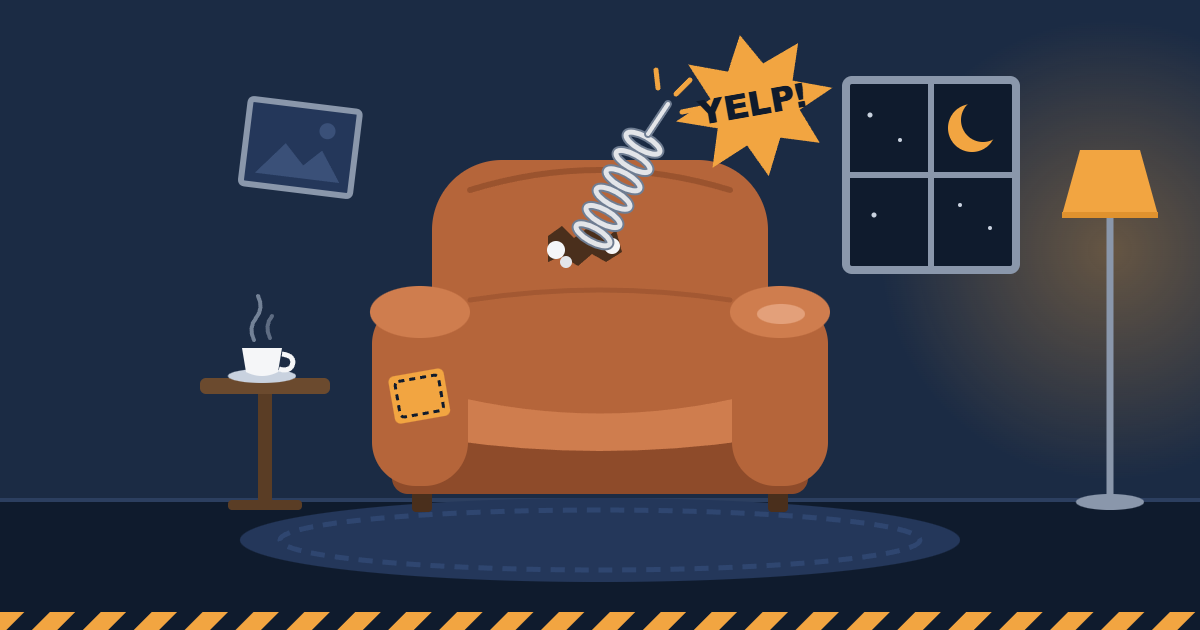
We found her sitting in an old armchair, worn far past the point where most people would have retired it. The first thing she did was apologize. She was sorry to call so late. She hadn’t wanted to bother anybody. But this pain in her back had her worried.
It didn’t take long to see that the chair was where she spent most of her life. Getting up out of it was a real effort, so mostly she didn’t.
We asked her to tell us about the pain. Sharp, she said. Right around her left shoulder blade. And then she gave us the detail that mattered: it only hurt when she sat back.
She showed us. She leaned forward: no pain. She sat back and let out a startled little yelp. She leaned forward again, and that’s when we saw it. A piece of metal, a spring or some kind of support, had worked its way through the fabric from inside the chair, right where her shoulder blade rested.
That was our severe back pain.
My partner looked at her and said, kindly and with a perfectly straight face, that she thought we could help. While my partner rubbed the sore spot near her shoulder blade, I cut away the piece of metal poking out of the chair.
When she sat back again, slowly, bracing for it, there was nothing. Just relief. As far as she was concerned, my partner’s shoulder massage had fixed her right up. We weren’t about to argue.
At her request, we left her there in her chair. But we didn’t forget about her. Over the next several months we stopped by a number of times to check on her.
She died about six months later. Before she did, a thank-you note arrived at the station.
Shared anonymously by an EMS provider.